Death Cleanup
Cleaning a home after someone dies, including fluids, odor and affected belongings.
See death cleanupGet decomposition fluids, affected materials and odor removed from a home, apartment, rental or business in Sanborn after officials release the property. Cleanup timing depends on the affected area and materials.
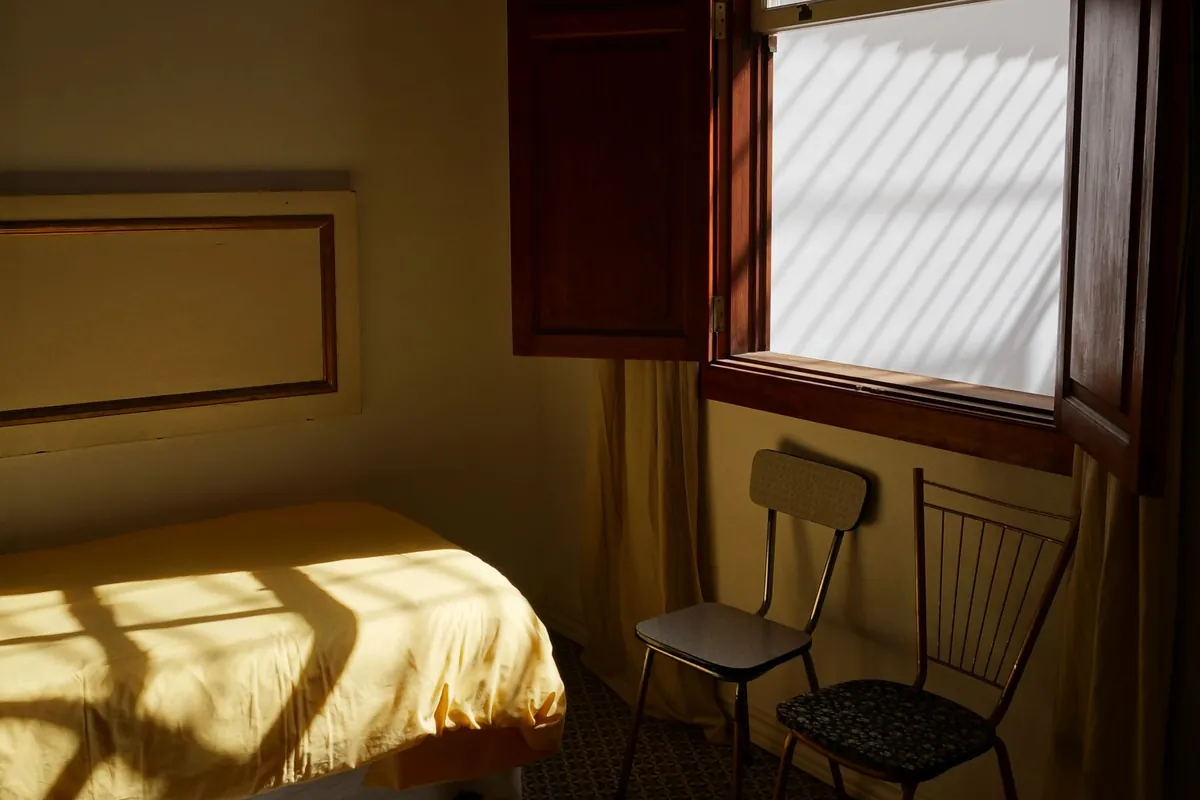
Unattended death cleanup is a process that takes away decomposition fluids, odor and belongings that became contaminated because the person was not found soon after death. It finishes with disinfection and cleaning in the affected space.
After a funeral home or medical examiner brings the deceased person into its care, the property still needs cleaning. That responsibility belongs to you or another authorized person once officials release it. People may call the work unattended death clean up or decomposition cleanup. Post death cleanup is another name. Biohazard clean up after death is used too.
What can be seen may not show the full path of contamination. Bodily fluids might pass through bedding or carpet and pad, run into seams in the floor, penetrate subfloor, or pool next to walls and furnishings. Technicians locate each route before removing anything that cannot be thoroughly cleaned. They apply an EPA-registered disinfectant to surfaces that remain, observe the contact time listed on the label and package hazardous waste for lawful disposal.
Odor removal is part of the same remediation process. Treatment of remaining surfaces and air begins only after source removal. Personal property outside the affected areas can then be sorted, cleaned when appropriate, or set aside for you to inspect. New drywall, baseboards or flooring and similar repairs generally follow completion of death scene cleanup.
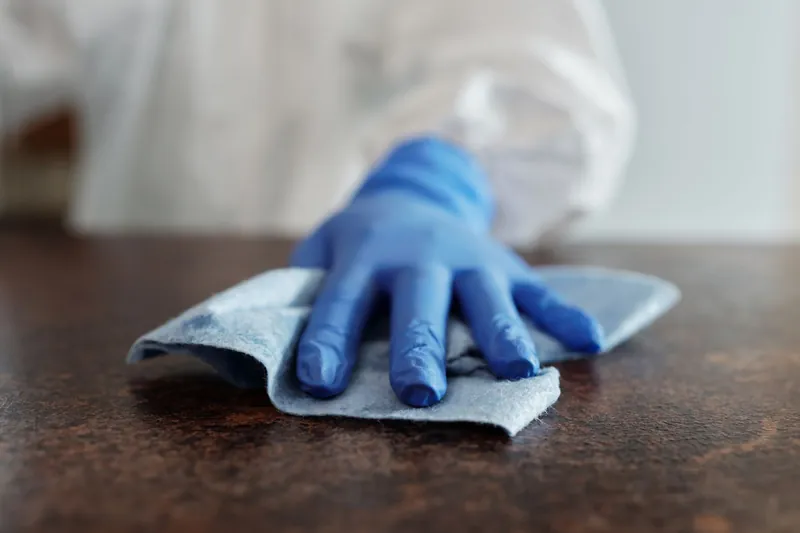
Crews arrive in unmarked vehicles, with calls answered both day and night. You may coordinate access without entering the affected space or sharing personal information with nearby residents.
When safely accessible, documents, photos, jewelry and other important belongings are placed apart. You decide how set-aside belongings should be treated whenever possible.
Insurance companies, landlords and property managers can receive organized photographs, waste records and scope documentation. With organized documentation, you can move forward on repairs and claim evaluation.
The pre-work discussion covers affected materials, what can stay, what must come out and factors shaping cost. Questions can be answered at each stage.
Cleanup services become necessary when an unattended death went undiscovered and fluids or odor had time to affect the property. Although each setting differs, people still need to stay away while contamination is traced.
Fluids may penetrate the subfloor while odor reaches an adjoining wall or lower unit. The family, insurance company, tenant and property manager may each require photos and clearly marked work limits.
A landlord or property manager may arrange access after officials release the unit. Personal belongings should stay in place until the authorized person decides what may be cleaned, saved or removed.
Large amounts of belongings may conceal affected material and restrict access. Death cleanup and hoarding cleanup require coordination so reviewable property stays separate from contaminated materials.
Discreet containment and careful treatment of odor, furniture and flooring may be necessary before a hotel or short-term rental returns to use or undergoes repairs.
Your first priority is to stay out of the affected area and wait for an official release. These steps protect you, other people, the investigation and a possible insurance claim.
Call (888) 440-9227Published guides place many unattended death cleanup cases between $2,000 and $7,000. A recent one-room case may fall between $2,000 and $5,000. A death found after one to two weeks may range from $8,000 to $18,000. Time before discovery, fluid penetration, materials, odor treatment and waste volume shape the final price after an on-site assessment.
These national ranges are taken from published cost guides, rather than a property visit. The price for your property is set after the on-site assessment, and you hear it before work starts.
Ask about cost: (888) 440-9227Insurance for a home, rental or commercial property may cover cleanup after an unattended death. The cause of the loss and the policy's exclusions, deductible and other terms determine coverage.
Homeowners or renters insurance, the estate or the property owner usually pays for this kind of cleanup. The New York crime victim compensation program helps only when a crime caused the loss.
When you call the insurance company, ask specifically about cleanup involving biohazard remediation, affected material removal, odor treatment and repairs. Record your claim number, then check before disposing of any items.
Who coordinates payment depends on policy language, ownership duties and the lease. A tenant's policy may concern personal property as the landlord arranges work affecting the building.
Confirm the adjuster's documentation requirements. Site photographs, a detailed work scope, waste documentation and notes identifying removed materials may support the insurance company's evaluation.
A controlled unattended death cleanup begins after release with an assessment. Its findings determine every later stage, including removal, disinfection, treatment for odor and the final documentation.
Technicians verify the official release, discuss property access with you, examine the affected area and nearby rooms, record conditions, and establish the necessary scope.
Separation keeps the cleanup zone apart from clean property areas. Movement through corridors and common spaces is limited with barriers, floor coverings and controlled air.
Cleanup technicians select protective clothing, respiratory equipment, gloves and eye protection suited to the work. OSHA Bloodborne Pathogens Standard 29 CFR 1910.1030 covers workers who may contact blood.
Bedding, carpet, pad, furniture, drywall or flooring that cannot be fully disinfected is removed in controlled sections. Keepsakes and unaffected personal property are separated for you to inspect.
Remaining hard surfaces are cleaned first, then treated with an EPA-registered disinfectant for the full contact time stated on its label. Treatment also covers crevices and nearby surfaces.
Treatment for odor begins only once sources of contamination are gone. Methods such as hydroxyl treatment or HEPA air scrubbers may be chosen based on the room and materials left inside.
A planned path is used to move contaminated materials secured inside appropriate containers. Cleanup photographs, insurance paperwork and waste disposal records may be kept together.
The cleaned and odor-treated space is reviewed when work ends. You receive documentation of finished work, after which restoration services can begin on damaged finish materials.
Phone any hour. A specialist in unattended death cleanup takes your call, explains each step and agrees on a start time with you.
Protective gear, controlled removal and complete disinfection are necessary because an unattended death may leave contaminated porous items and bodily fluids.
Removed bedding, carpet, flooring and other affected materials may require regulated packaging, transport and disposal. Avoid carrying them through clean areas or leaving them loose inside ordinary trash.
Going into the space where your loved one died may increase distress during an already difficult time. From a safe place, you can identify important items and make access arrangements without viewing the room.
Bloodborne pathogens may be carried in blood and certain bodily fluids. The CDC states that surface survival for hepatitis B can reach at least seven days. Avoid direct contact because dried material must not be assumed harmless.
Can you clean it yourself? A household spill is not comparable to an unattended death. Do not apply spray, use a vacuum or touch the affected area. Keep the room closed so material does not reach surrounding areas. Wait for a release from law enforcement or the medical examiner or coroner before arranging professional cleanup.
Keeping a material is possible when its exposed parts are reachable and allow complete cleaning. If a porous object has absorbed decomposition fluids beyond effective disinfection, it is taken out.
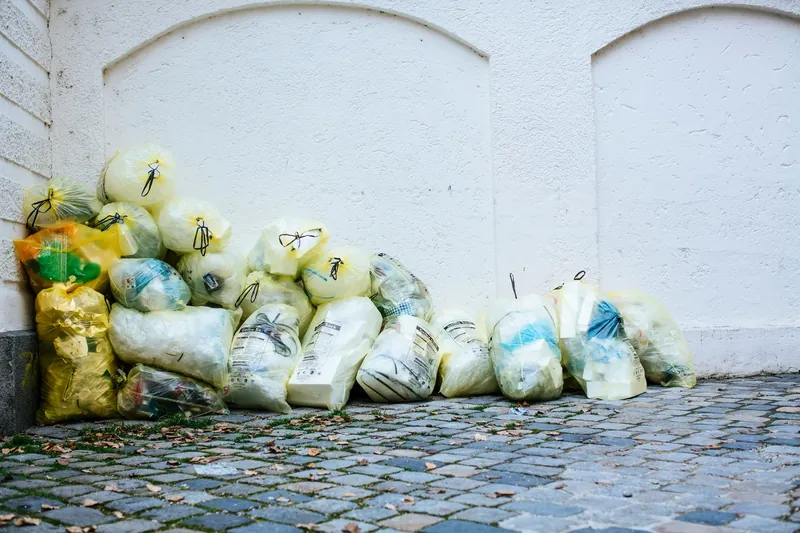
Federal OSHA Bloodborne Pathogens Standard 29 CFR 1910.1030 sets worker requirements for exposure control, protective equipment, training and practices when blood exposure may occur.
Use an EPA-registered disinfectant intended for the target organism, following every label direction. For the complete listed contact time, the treated surface has to stay wet.
New York treats blood-soaked materials from a biohazard scene as regulated medical waste. Rules from the Department of Environmental Conservation and the Department of Health control how it is packed, moved and treated, so it cannot go in household trash.
New York has no statewide office. Counties use elected coroners or appointed medical examiners, and New York City's five boroughs are covered by its Office of Chief Medical Examiner. Cleanup starts after police or the medical examiner or coroner release the scene.
One day may be enough for a limited, one-room unattended death cleanup. If the work includes removing subfloor, treating extensive odor or addressing several affected spaces, several days may be required. Your most reliable schedule follows the on-site assessment.
The full unattended death cleanup guide covers what is cleaned or removed, odor and air quality work, and the rules that apply in your state.
Read the full unattended death cleanup guideLocal housing, population and access details can shape containment, access and cleanup planning.
At 27.9% renter occupancy, most housing is owner occupied, which can reduce the number of parties involved in cleanup authorization.
Because the median home dates to 1968, cleanup plans should distinguish washable surfaces from absorbent carpet, padding, and wallboard.
A 17.1% share living alone still matters because delayed discovery can increase odor movement and the amount of affected material.
A 67.8% single-family share makes property type an early question when setting containment and equipment routes.
Ask on the call about cleanup options for neighboring communities and ZIP codes.
Cleaning a home after someone dies, including fluids, odor and affected belongings.
See death cleanup
Cleanup clears fluids from decomposition out of floors, subfloors and furnishings.
See decomposition cleanup
Air scrubbers, hydroxyl and ozone treatment support death odor removal at its source.
See death odor removal
Cleanup removes infectious material, including blood and body fluids, and disinfects the property.
See biohazard cleanup
Trauma scene cleanup is needed after violent events, accidents and injuries.
See trauma scene cleanup
Carpet, solid floors, walls and furnishings receive blood cleanup that includes safe disposal.
See blood cleanup
Hoarding cleanup with respectful sorting, removal and deep cleaning.
See hoarding cleanup
Suicide cleanup is completed privately and with care, protecting families from seeing the scene.
See suicide cleanupAccess and scope approval usually require you or your authorized representative, but neither must stay close to the affected space. Another location may be used to examine photos, discuss details and decide how personal property is treated. Identify valued belongings to the cleanup technicians before any removal starts.
Do not enter or attempt cleaning on your own. The professional process begins with containment and an assessment of visible and hidden contamination. Technicians remove porous materials reached by fluids, clean hard surfaces, apply an EPA-registered disinfectant for its full contact time, treat odor at the source and document waste disposal.
Do not sort the room until official release and completion of biohazard cleanup. Start with important papers and valuable property located outside the affected area. Have cleanup technicians reserve accessible keepsakes for your inspection. After clearance for entry, decisions about donations, storage, disposal and saved property can be made without disturbing hazardous materials.
It may, depending on the policy, cause of loss, exclusions and deductible. When you report the loss, ask whether restoration and odor treatment apply, along with biohazard remediation and removal of contaminated materials. Keep the claim number, photos, cleanup scope and disposal records, and ask the adjuster before discarding affected property.
The funeral home, medical examiner and law enforcement do not clean the affected property. After officials release it, the owner, family, landlord or authorized representative arranges an unattended death cleanup service. Cleanup technicians can prepare hazardous waste for appropriate disposal after removing contaminated materials, disinfecting surfaces and treating odor.
Yes, but the contaminated source must first be located and removed. After that, remaining surfaces are cleaned and disinfected, and air treatment is selected for the space. Inspection may include subflooring, carpet pad, furniture, wall openings and HVAC spaces. Fragrance alone does not remove the source and should not replace remediation.
Respectful, discreet unattended death cleanup is available 24 hours a day, and crews arrive in unmarked vehicles.